The chilling truth behind Everest’s romantic “Rainbow Valley”: climbers never return, souls lost forever on the mountaintop for hundreds of years. – News
Located just below the summit of Mount Everest along the Northeast Ridge, lies Rainbow Valley—a place whose name evokes beauty and hope but conceals a chilling truth. Far from a vibrant paradise, this windswept basin is a graveyard of climbers, their colorful jackets and gear preserved by the icy grip of the so-called death zone. The romantic title masks one of mountaineering’s darkest realities: more than a hundred lives, frozen in time, scattered along the path to the world’s highest peak.
According to National Geographic, the sight is inescapable for those who ascend via the northeast route. Vivid flashes of red, blue, and yellow appear against the snow, but these are not flags of triumph—they are the remnants of human ambition cut short. Social media has amplified the valley’s legend. By August 2025, more than 5.8 million X-shares tagged #RainBowValley circulated globally, while BBC features cast it as both symbol and warning: Everest is breathtaking, but it is also unforgiving.
The Origins of the Name
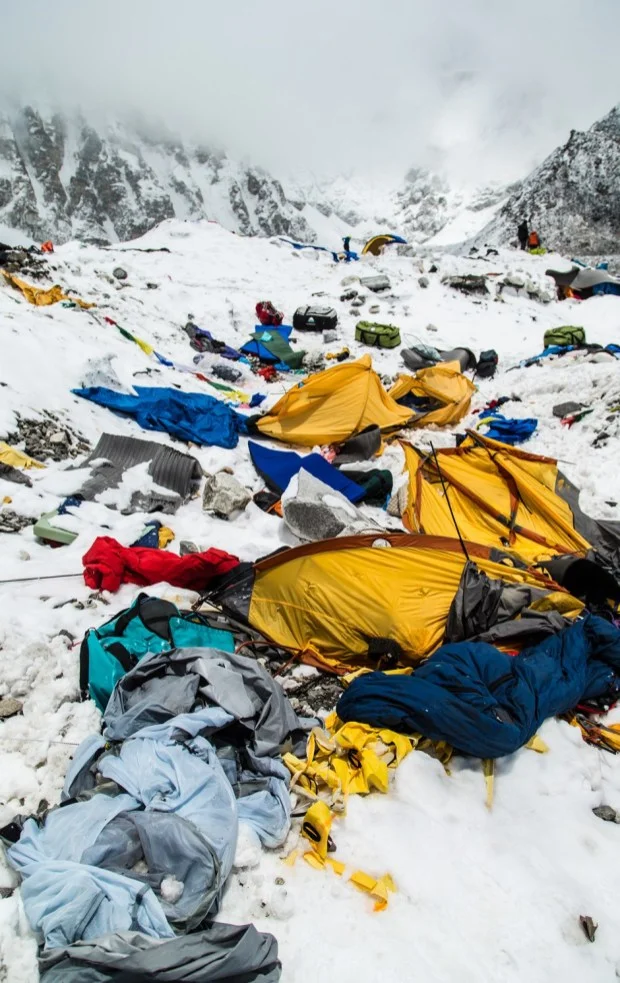
Rainbow Valley’s poetic title was coined not by mapmakers but by climbers themselves. Above 8,000 meters, where oxygen levels plummet, the bright gear of fallen mountaineers stands out starkly against the snow. What might seem at first glance like a scattering of prayer flags is instead a macabre collection of frozen bodies.
The Guardian notes that the valley’s natural basin has collected remains for decades, its subzero temperatures preserving them almost indefinitely. Estimates suggest over 100 climbers rest here, some dating back as far as the 1920s. The phrase “Rainbow Valley” arose as a grim shorthand among expeditioners, a mixture of gallows humor and harsh truth. As one mountaineer quoted in the Himalayan Times put it: “It is a cemetery painted in vivid hues.”
Life and Death in the Death Zone
Rainbow Valley sits within Everest’s notorious death zone, the stretch above 8,000 meters where oxygen levels drop to one-third of sea level and the human body begins to deteriorate. Here, exhaustion, hypothermia, and altitude sickness claim lives quickly.
Since Everest’s first confirmed ascent in 1953, more than 330 climbers have died on its slopes, according to the Nepal Mountaineering Association. Most perished in the death zone, where recovery is nearly impossible. Bringing down a body from 8,500 meters requires 8–12 Sherpas, can cost $30,000–$70,000, and exposes rescuers to extreme risks. For this reason, many bodies remain in place, becoming grim markers along the ascent.
Climbers have sometimes moved remains off ropes or over ledges to clear the path, effectively “tidying” the route by adding to Rainbow Valley’s collection. As journalist Ed Douglas wrote in The Guardian: “Leaving bodies behind is not a choice, but a necessity.”
Ethical and Cultural Dilemmas
The presence of corpses on Everest raises painful ethical questions. For the Sherpa people, Everest—Sagarmatha in Nepali, Chomolungma in Tibetan—is sacred, a living goddess. Many believe leaving bodies in plain sight disrespects the mountain and angers its spirits.
Western climbers, however, often adopt a more pragmatic view: the risks of retrieval are too high. This tension creates an unresolved moral debate. Is it more respectful to leave the dead where they fell, or to remove them at great risk and cost? Social media fuels the controversy. Posts tagged #EverestMorality on Instagram, with millions of likes, debate whether Rainbow Valley is a necessary reality or a preventable shame.
The issue is compounded by Everest’s commercialization. With climbing permits generating more than $4.5 million annually for Nepal, critics argue that prestige and profit overshadow safety and reverence. The disastrous 1996 season, when eight climbers died in one storm, crystallized concerns about crowding, inexperience, and misplaced ambition.
A Global Obsession
Despite—or because of—its grimness, Rainbow Valley has captured the imagination of millions worldwide. Photos and videos posted by climbers, amplified by NatGeo and BBC documentaries, have turned the valley into an infamous landmark. Viral Instagram reels tagged #EverestReality depict climbers stepping past lifeless bodies, with captions like: “This is the cost of chasing glory.”
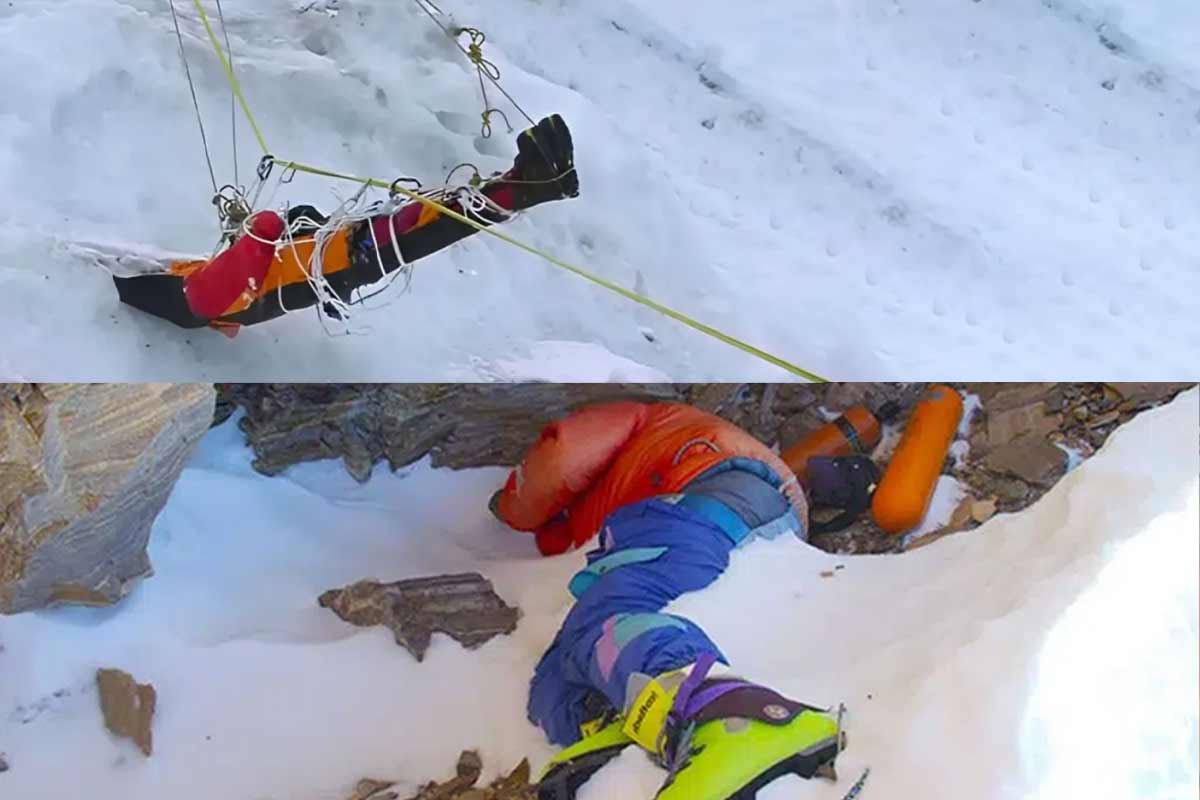
YouTube documentaries about famous cases, such as “Green Boots”—believed to be Tsewang Paljor, who died in 1996—draw millions of views. Meanwhile, podcasts and features frame Rainbow Valley as a metaphor for Everest’s duality: beauty and brutality, ambition and mortality.
Public opinion remains split. A recent Outside Magazine poll found 55% favor stricter climbing regulations, while 45% defend personal freedom. But few deny that Rainbow Valley has become an unavoidable emblem of Everest’s peril.
The Human Cost
Among Rainbow Valley’s haunting roll call are both legends and ordinary climbers. George Mallory, who disappeared in 1924, was discovered on Everest’s slopes in 1999, still frozen where he fell. Hannelore Schmatz, the first woman to die on Everest in 1979, lay near the route for decades. “Green Boots” became an unwitting guidepost for nearly twenty years before being discreetly moved.
These stories are reminders that behind each body lies a human life, a dream pursued to the extreme. Survivors like Beck Weathers, who nearly died in 1996, have spoken of the psychological toll of passing frozen companions. As mountaineer Alison Osius observed: “Rainbow Valley forces climbers to confront mortality in its rawest form.”
Looking Ahead: Everest’s Future
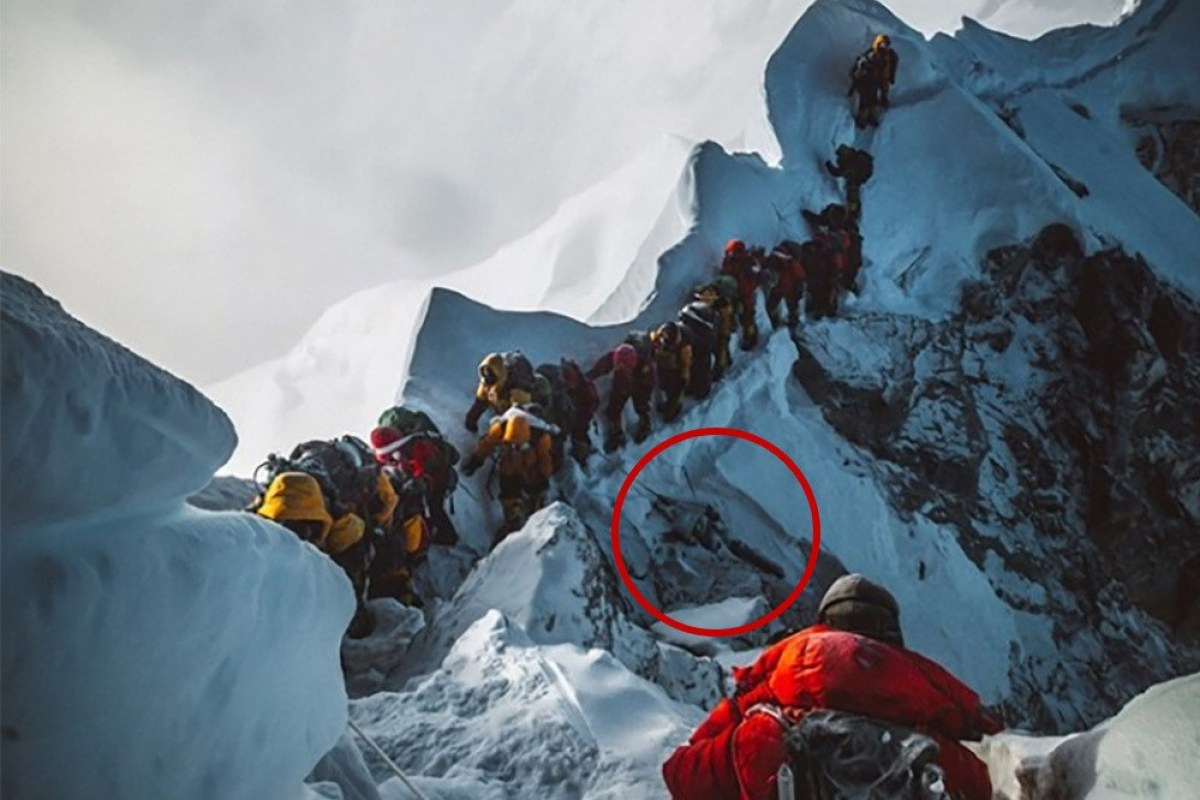
Rainbow Valley is not only a graveyard; it is a warning. Overcrowding, particularly at bottlenecks like the Hillary Step, has led to deadly traffic jams. In 2019, eleven climbers died in a single season. Nepal’s government introduced a cap of 400 permits in 2025, but enforcement remains inconsistent.
Proposals for dedicated recovery teams, funded by higher permit fees, face logistical challenges. Meanwhile, climate change complicates matters further: melting ice is exposing more bodies once buried, making Rainbow Valley grow in both size and visibility.
As journalist Charlotte Edwardes wrote in The Guardian: “Rainbow Valley holds a mirror up to our hubris.” Everest’s allure will not fade, but the mountain demands respect—and its painted graveyard warns of what happens when ambition exceeds limits.
A Stark Testament
Rainbow Valley, with its deceptively poetic name, is a stark reminder that the world’s highest mountain is also its most merciless. To climbers, the colorful remains are both warnings and waypoints. To Sherpas, they are spiritual burdens. To the world, they are symbols of courage, obsession, and loss.
As Everest’s popularity grows and the frozen hues of Rainbow Valley multiply, one question lingers: Can the mountain’s sacred slopes be preserved, or will this tragic palette only deepen?